Keeping your helmet shield (visor) completely down and locked while driving a race car is the single most critical defense against catastrophic facial injuries, blindness, and fire inhalation. 

Keeping your helmet shield up might be tempting, but doing so at speed introduces massive, unnecessary risk for life-altering injuries. Whether you are a track day enthusiast or a seasoned racer, closing and locking your ballistic-grade visor before hitting the track is a safety protocol that cannot be compromised.
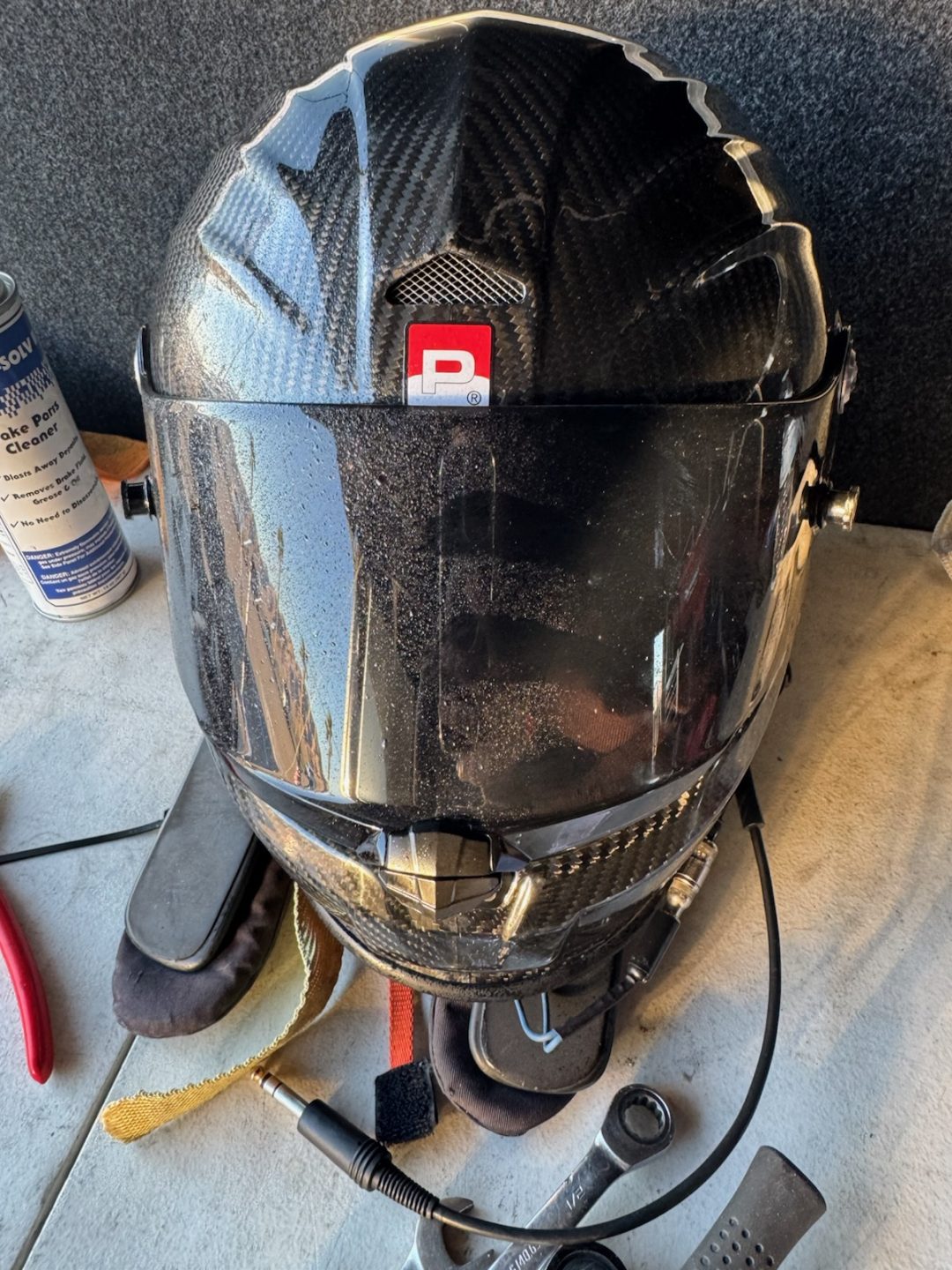
The Eyeport Firewall: SA-rated racing helmets feature tight eyeports, but a raised visor leaves your face completely exposed to instant, high-pressure flash fires, flying debris, blinding wind and chemicals. A locked visor acts as a literal firewall, giving you the precious seconds needed to activate your fire suppression system, stop safely, and extricate yourself from the car.

Why is this important? Extreme speeds and mechanical component failures go hand-in-hand right in front of or behind the driver.

  • Engine Failures: If a supercharger blows or an engine lets go, metal shrapnel, burning oil, and fuel can spray directly into the cockpit.
  • Chemicals and Oil: A lowered visor keeps these materials out of your eyes and, in the case of open cockpit circle track or sports car racing, you can utilize visor tear-offs, but only if the visor is down to being with. When oil or grime smudges your view during an endurance stint, peeling a layer away restores instant visual clarity.

Ballistic Debris and Rollovers: Racing speeds introduce other kinds of risks that a helmet shield is designed to protect against.

  • Dust and Debris: Even at speeds of 5 mph, if wind enters the helmet, it can instantly impair driver’s vision. Combined with fine dirt or dust, together they act like high velocity sandpaper, potentially causing irreparable damage to the eyes. When parts on the track impact the car or cockpit, it can be considered a ballistic strike. These are especially critical for open cockpit or race cars without front windscreens. 
  • Windshield Breaches: While most race cars have windshields, a heavy impact from a loose wheel, hardware, or trackside debris can instantly shatter the screen and enter the cockpit at high very speed. Your helmet and shield are all that is protecting your face and head, at that point. 
  • Structural Integrity: In a rollover, vehicles can slide and tumble over great distances, and in land speed racing, it can even be miles. Modern helmets rely on a locked visor to complete the structural loop of the helmet shell. This prevents the helmet from warping or flexing inward under the immense, repeated forces of a violent crash.

Takeaway for All Racers

Whether you are chasing a personal best on the drag strip, aiming for a record on the salt flats, or fighting for a podium on a circle track or road course, a down and locked helmet shield is the only acceptable visor configuration. Protect your vision, secure your helmet’s integrity, and give yourself a fighting chance by keeping your shield closed.
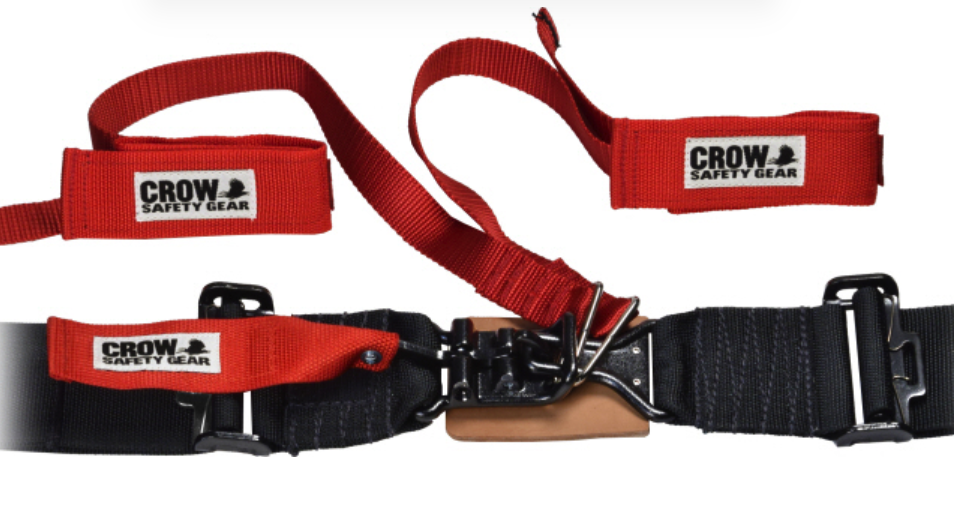
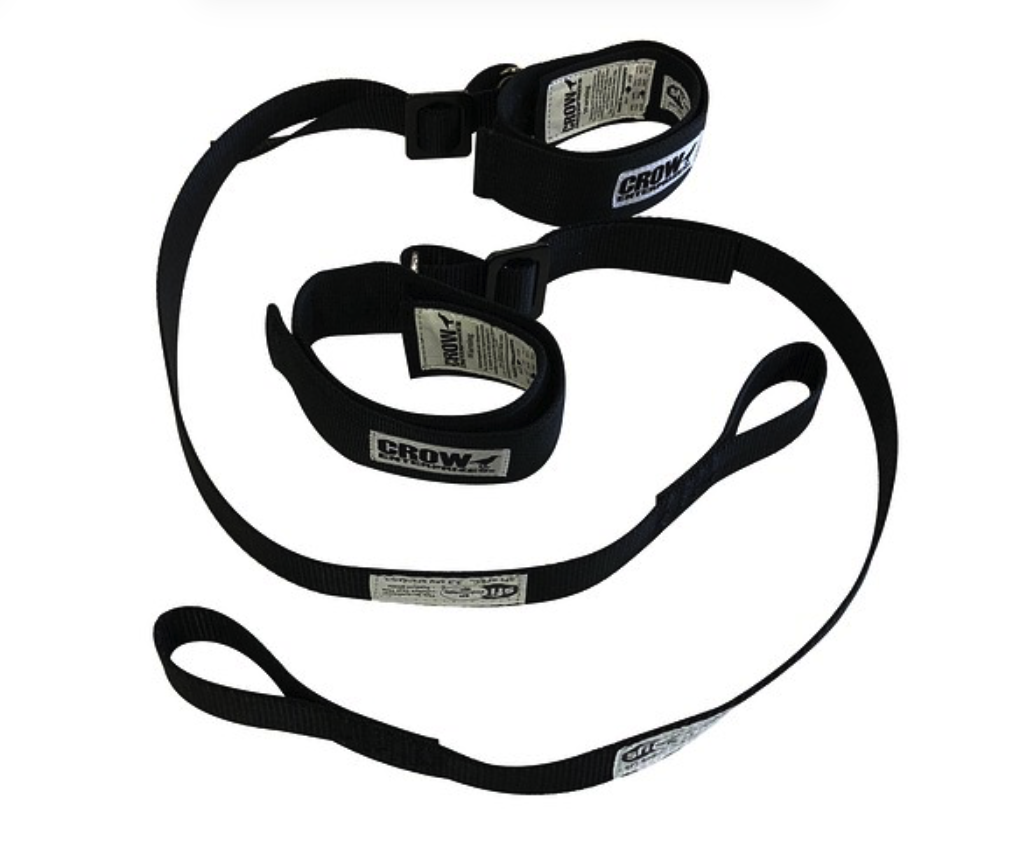
Arm restraints are a critical piece of personal safety gear, designed to keep a driver’s hands and forearms inside the cockpit during crashes or rollovers. They prevent severe injuries that can occur to your hands and arms through an open cockpit, window opening, or during violent lateral movement. Their importance is widely recognized across sanctioning bodies, many of which mandate their use.

Why Arm Restraints Matter

Arm restraints limit a driver’s arms from extending outside of the roll cage during an impact, reducing the risk of fractures, dislocations, or being struck by debris. They also complement other containment systems such as window nets and driver-side nets. By ensuring the driver’s limbs remain within the protective structure of the car, nearly all racing body mandate them for protection in open-cockpit or high-speed applications.

Sanctioning Body Requirements

Different racing organizations specify when arm restraints are required, often depending on vehicle design and class:

Open-cockpit racing classes: A rule of thumb is that arm restraints are required because drivers are more exposed.

  • NHRA/IHRA: Mandates strict restraint systems in many categories, including updated multi-point harness requirements and fire-resistant coverings for belts in certain open-bodied vehicles. While these rules focus on harnesses, they reflect drag racing’s broader emphasis on containment and restraint systems, which includes arm restraints in applicable classes.
  • FIA and affiliated series: Require comprehensive restraint systems and cockpit containment. While arm restraints are not universally required across all FIA categories, their standards for lateral restraint—such as driver nets—highlight the importance of keeping limbs within the cockpit during side impacts.
  • SCTA / Bonneville Nationals Inc. (BNI): Arm restraints are required for all open‑cockpit vehicles and many enclosed vehicles where the driver’s arms could reach outside the roll cage during a spin or crash. This includes lakesters, streamliners, roadsters, and modified production classes. SCTA requires “SCTA-Approved” arm restraints. These restraints require a locking design and/or hardware.
  • ECTA (East Coast Timing Association): Requires arm restraints in open‑cockpit vehicles and strongly recommends them in enclosed vehicles where window nets are not present.
  • Loring Timing Association: Follows similar rules: open‑cockpit = mandatory arm restraints; enclosed vehicles must use either window nets or restraints depending on cockpit geometry.
  • SCORE International: Requires arm restraints for all vehicles without window nets or with open‑cockpit designs. Even in enclosed trucks, restraints may be required if the window net cannot fully contain the driver’s arms.
  • Best in the Desert (BITD): Mandates arm restraints for UTVs, buggies, and other open‑cockpit vehicles. Window nets are acceptable in closed‑cab trucks, but restraints are still recommended in high‑risk classes.
  • Ultra4 / King of the Hammers: Requires either window nets or arm restraints; open‑cockpit vehicles must use arm restraints without exception.

SFI Certification: Sanctioning bodies typically require restraints carrying an SFI 3.3 certification tag, ensuring the webbing and hardware meet rigorous motorsport fire and tensile strength standards. 
Y-Strap vs. Individual Straps: Y-straps offer highly restrictive safety best suited for off-road or dirt track racing. Individual dual-tether straps offer greater side-to-side movement for road, drag, and land speed racing where frequent controls or rapid steering wheel manipulation are required. 

Long-time Mayeda Motorsports-sponsored racer, Mike Grady wins the fast truck class over the weekend at Woodburn Dragstrip

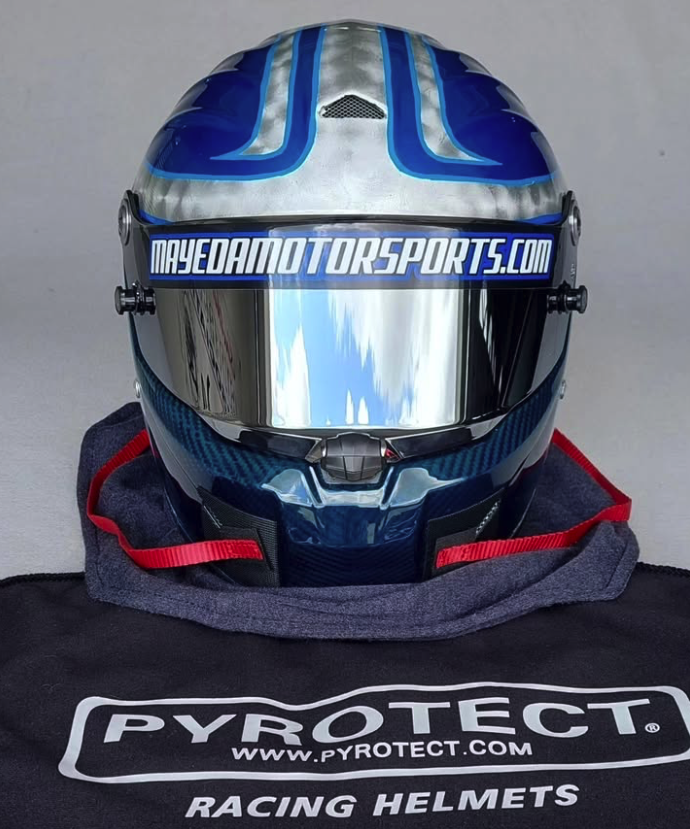
Mayeda Motorsports has worked closely with Mike on the custom personal and race truck safety systems as his 68 C10 has evolved, going quicker/faster every year. The recently upgraded twin turbo-charged engine platform necessitated significant safety upgrades as his C10 nears 7 second ETs. We’ve provide all of the vehicle safety systems and Mike wears a DJ Safety driver suit and gloves, NecksGen REV, and a Pyrotect Safety Pro Airflow Carbon Fiber helmet.