Keeping your helmet shield (visor) completely down and locked while driving a race car is the single most critical defense against catastrophic facial injuries, blindness, and fire inhalation. 

Keeping your helmet shield up might be tempting, but doing so at speed introduces massive, unnecessary risk for life-altering injuries. Whether you are a track day enthusiast or a seasoned racer, closing and locking your ballistic-grade visor before hitting the track is a safety protocol that cannot be compromised.
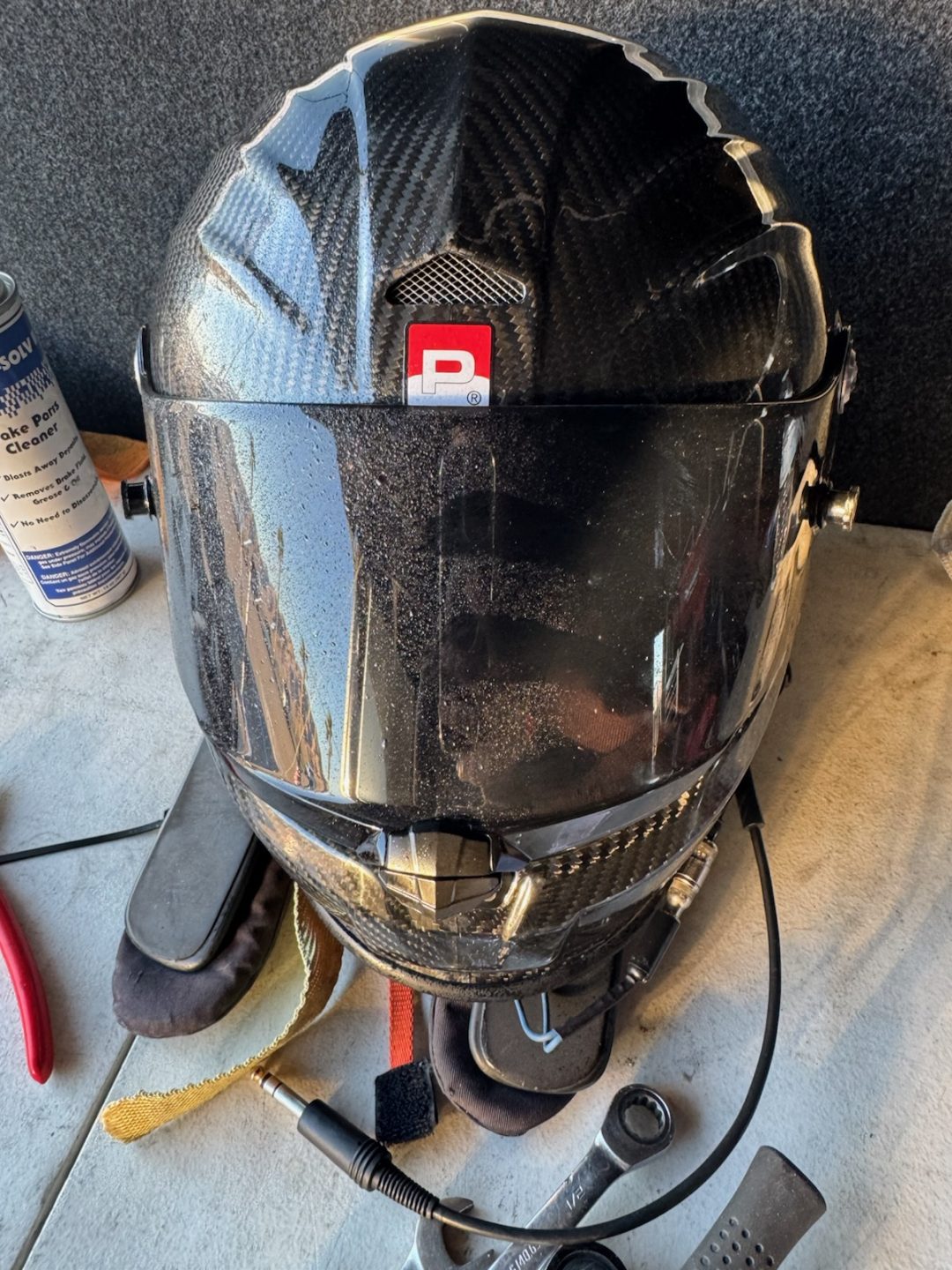
The Eyeport Firewall: SA-rated racing helmets feature tight eyeports, but a raised visor leaves your face completely exposed to instant, high-pressure flash fires, flying debris, blinding wind and chemicals. A locked visor acts as a literal firewall, giving you the precious seconds needed to activate your fire suppression system, stop safely, and extricate yourself from the car.

Why is this important? Extreme speeds and mechanical component failures go hand-in-hand right in front of or behind the driver.

  • Engine Failures: If a supercharger blows or an engine lets go, metal shrapnel, burning oil, and fuel can spray directly into the cockpit.
  • Chemicals and Oil: A lowered visor keeps these materials out of your eyes and, in the case of open cockpit circle track or sports car racing, you can utilize visor tear-offs, but only if the visor is down to being with. When oil or grime smudges your view during an endurance stint, peeling a layer away restores instant visual clarity.

Ballistic Debris and Rollovers: Racing speeds introduce other kinds of risks that a helmet shield is designed to protect against.

  • Dust and Debris: Even at speeds of 5 mph, if wind enters the helmet, it can instantly impair driver’s vision. Combined with fine dirt or dust, together they act like high velocity sandpaper, potentially causing irreparable damage to the eyes. When parts on the track impact the car or cockpit, it can be considered a ballistic strike. These are especially critical for open cockpit or race cars without front windscreens. 
  • Windshield Breaches: While most race cars have windshields, a heavy impact from a loose wheel, hardware, or trackside debris can instantly shatter the screen and enter the cockpit at high very speed. Your helmet and shield are all that is protecting your face and head, at that point. 
  • Structural Integrity: In a rollover, vehicles can slide and tumble over great distances, and in land speed racing, it can even be miles. Modern helmets rely on a locked visor to complete the structural loop of the helmet shell. This prevents the helmet from warping or flexing inward under the immense, repeated forces of a violent crash.

Takeaway for All Racers

Whether you are chasing a personal best on the drag strip, aiming for a record on the salt flats, or fighting for a podium on a circle track or road course, a down and locked helmet shield is the only acceptable visor configuration. Protect your vision, secure your helmet’s integrity, and give yourself a fighting chance by keeping your shield closed.
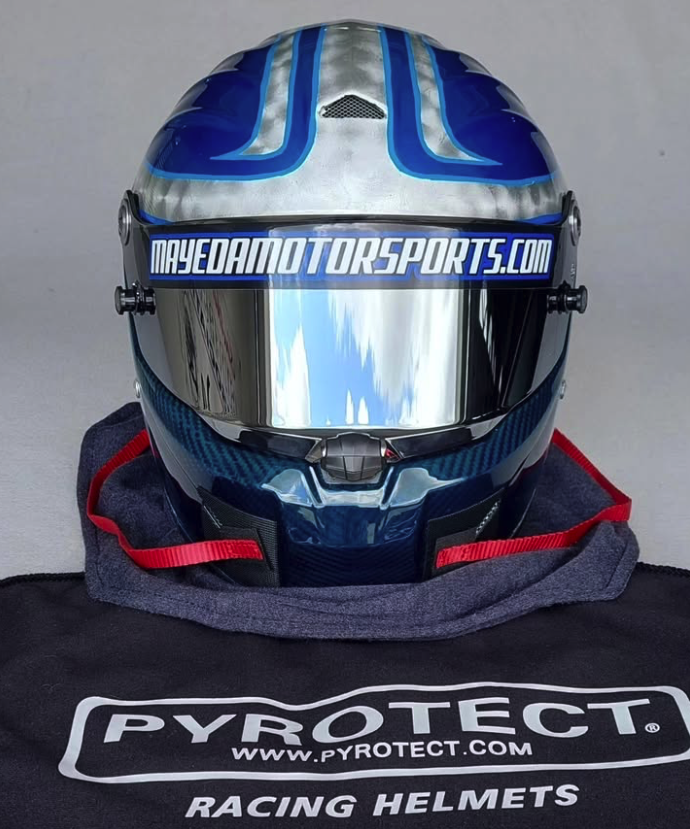
As we head into the last quarter of 2026, the question we receive most this time of year is: “Will my helmet be legal next year?” 

At Mayeda Motorsports, we live and breathe speed, but safety always takes the top spot for us. The Snell Memorial Foundation released its Snell SA2025 certification standard last year, which means the clock has or is about to run out for older gear.

If you are wondering if it’s time to replace your current helmet, or you’re confused by the alphabet soup of SA vs. M helmet ratings, you are in the right place. Let’s break down exactly what changed, why it matters for your future racing plans, and how to stay legal in the eyes of tech inspection!

What’s Expiring: SA2015

SA2015 helmets are officially approaching their expiration date for many racing sanctioning and organizing bodies: January 1, 2027. If you check under your comfort liner and spot an orange SA2015 Snell sticker, your helmet will no longer be allowed for competition in drag and land speed racing in 2027. In fact, the SA2015 expired last year for most road racing, endurance sports car, open wheel, and sprint car series, with many more organizations adopting this 10-year helmet replacement interval. There are some racing bodies such as motorcycle, karting, and international elite racing that now adhere to a 5-year helmet replacement requirement.

The New Benchmark: SA2025

The Snell SA2025 standard represents a significant evolutionary step forward in driver protection. It doesn’t completely reinvent the wheel, but it radically tightens the criteria for how a helmet manages violent impacts against cockpits and roll cages.

The technical upgrades you need to know include:

  • Lower Peak-G Limits: Under older standards, helmets could transfer up to 300G of peak acceleration to your head during an impact. SA2025 slashes that limit to 275G across all head sizes, meaning less brutal force reaches your brain.
  • Stricter Multi-Impact Severity: The testing criteria now demand higher first-impact velocities. The helmet’s internal EPS liner has to work much harder to absorb severe, successive blows.
  • Global Alignment: SA2025 standards are tightly aligned with international regulations, making many new helmets legal for both domestic grids and global competition.

Demystifying the SA vs. M Designation

We get asked this constantly at the shop: “Can I just use any helmet?”

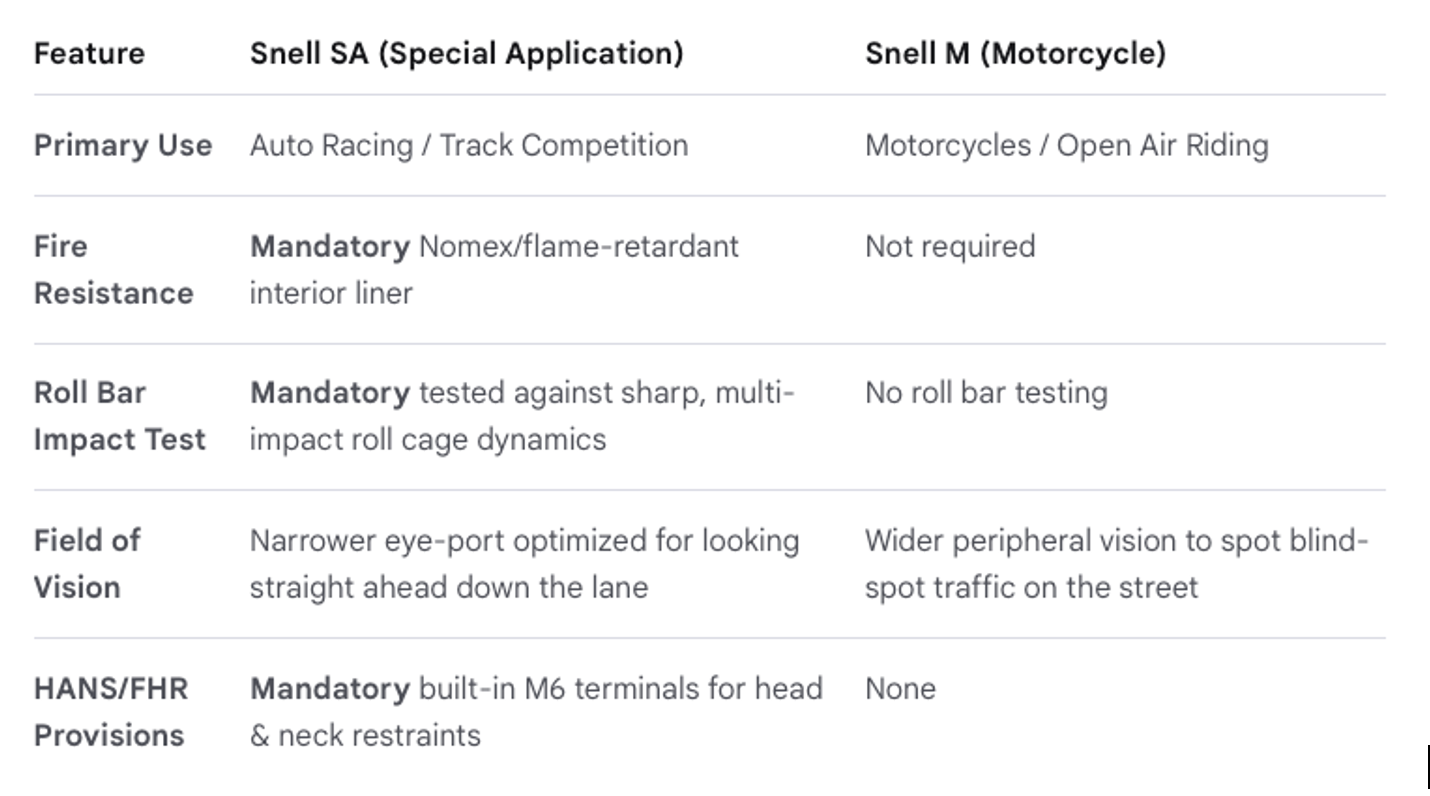
The short answer is not really. It depends heavily on your class and vehicle’s ET/speed bracket. Always check your rulebook. The letters stand for two completely different environments. SA stands for Special Application (designed for auto racing inside a car with a roll cage), while M stands for Motorcycle. 

So, what’s the difference? If you experience a fire and are trapped inside a closed cockpit or a tight driver compartment. A fire-retardant SA helmet gives you precious seconds to execute an emergency exit. Furthermore, motorcycle helmets are engineered for a single major skip off the asphalt, whereas an SA helmet is specifically tested to withstand your head bouncing repeatedly against a roll cage.

The key design and testing differences include:

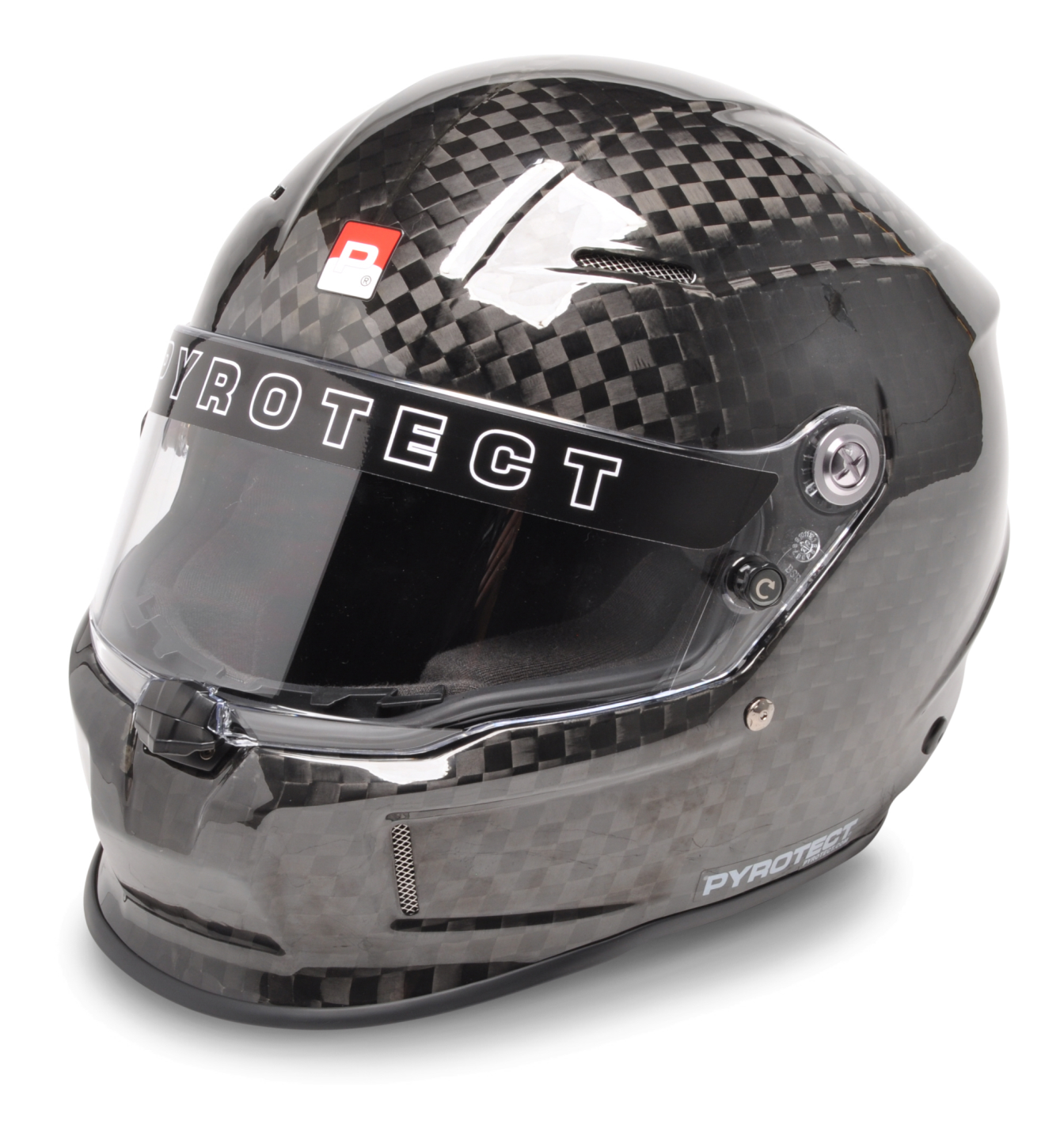
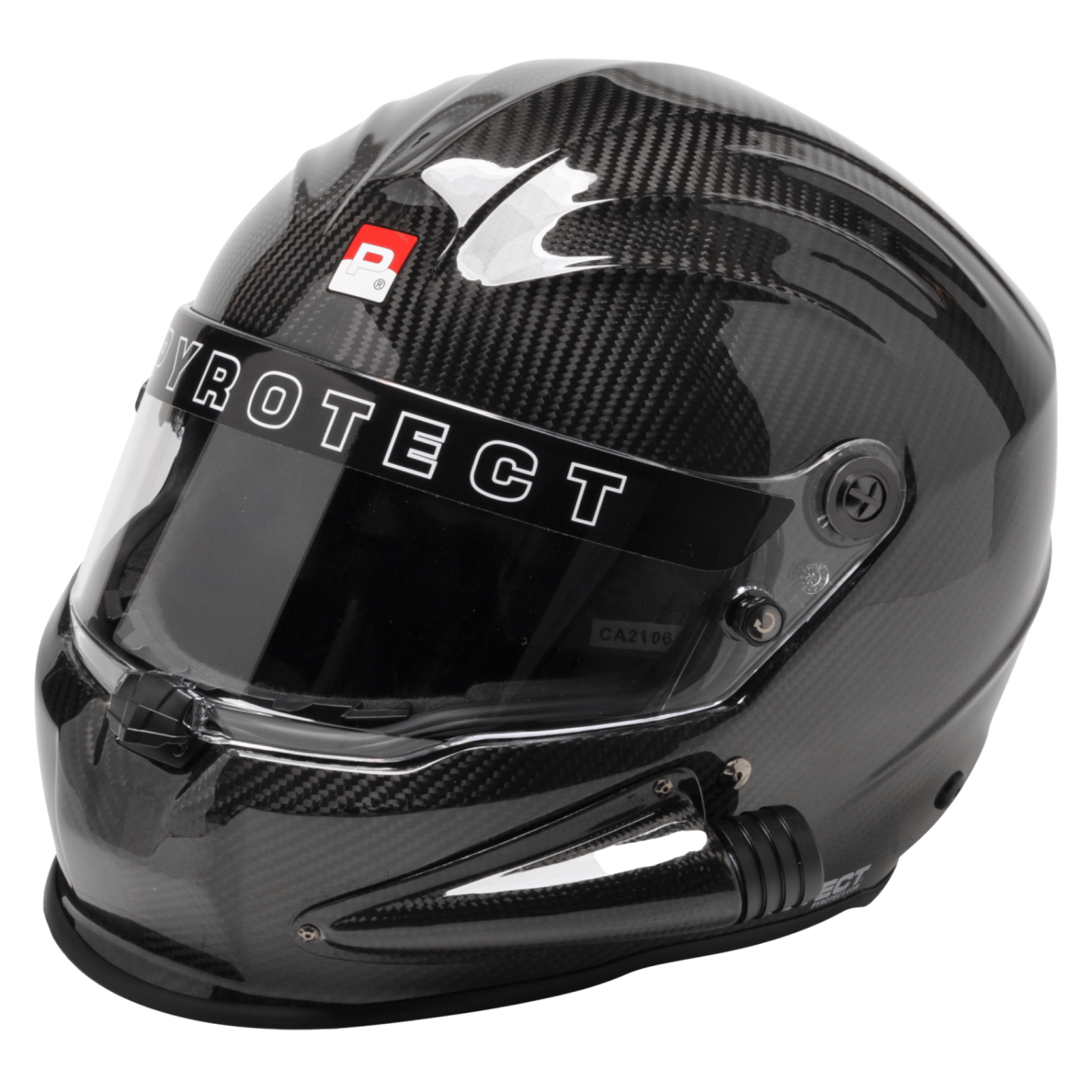
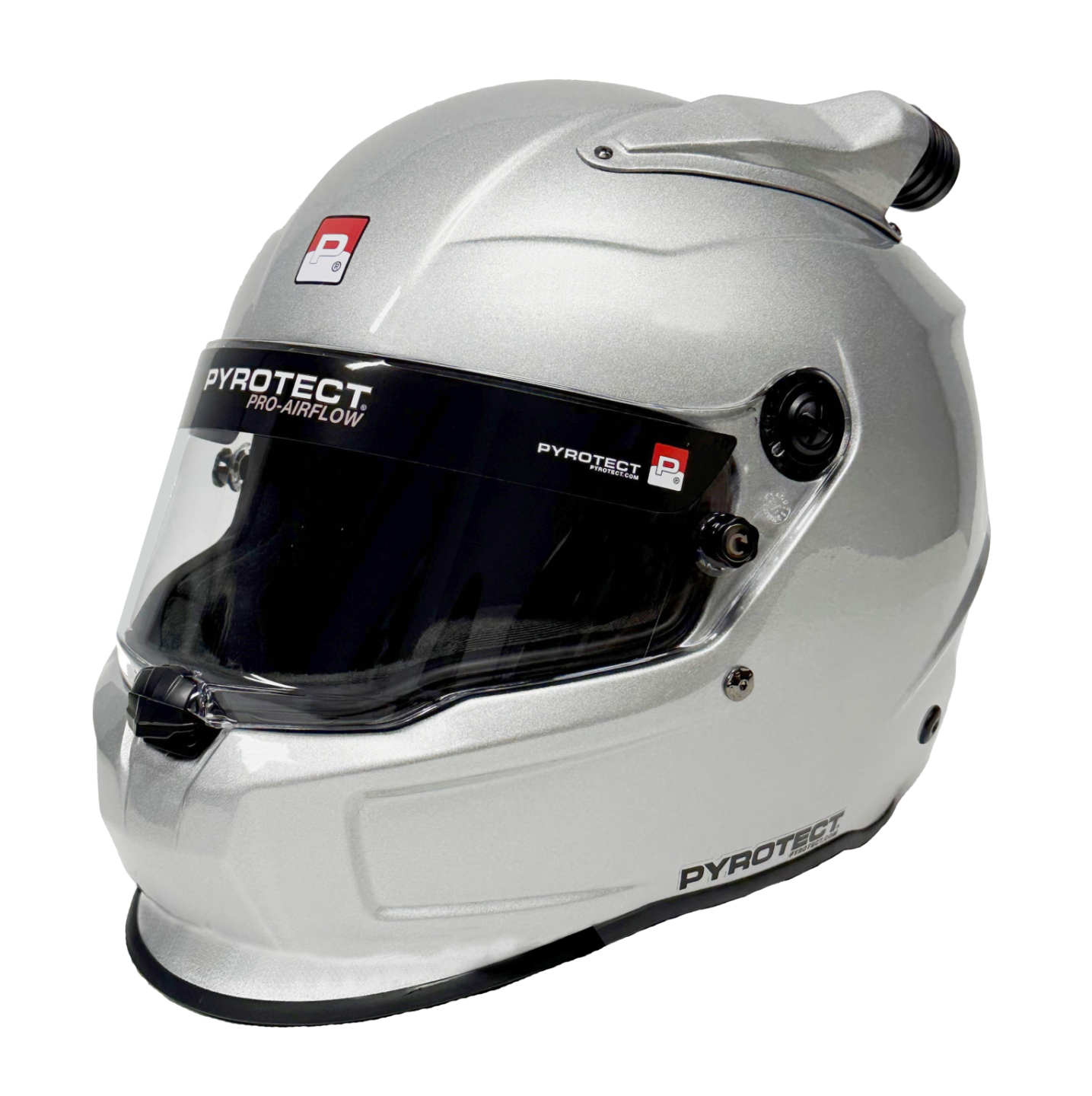
Throughout the month of August, Mayeda Motorsports is offering additional discounts on select Pyrotect helmets, including up to 20% off select carbon fiber helmets. Visit our online store or contact us directly. With each helmet purchase, we’ll include one of Pyrotect’s new trucker caps in the package for free.