
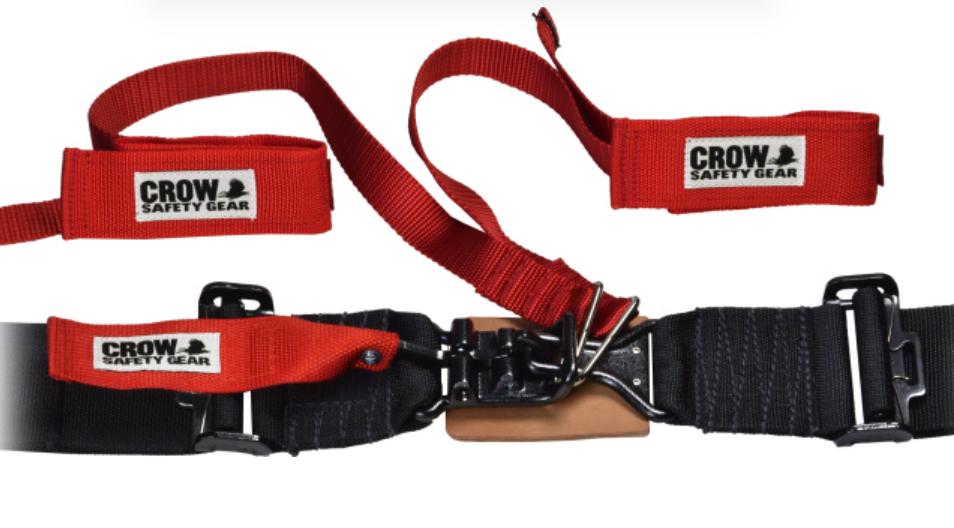
Arm restraints are a critical piece of personal safety gear, designed to keep a driver’s hands and forearms inside the cockpit during crashes or rollovers. They prevent severe injuries that can occur to your hands and arms through an open cockpit, window opening, or during violent lateral movement. Their importance is widely recognized across sanctioning bodies, many of which mandate their use.
Why Arm Restraints Matter
Arm restraints limit a driver’s arms from extending outside of the roll cage during an impact, reducing the risk of fractures, dislocations, or being struck by debris. They also complement other containment systems such as window nets and driver-side nets. By ensuring the driver’s limbs remain within the protective structure of the car, nearly all racing body mandate them for protection in open-cockpit or high-speed applications.
Sanctioning Body Requirements
Different racing organizations specify when arm restraints are required, often depending on vehicle design and class:
Open-cockpit racing classes: A rule of thumb is that arm restraints are required because drivers are more exposed.
- NHRA/IHRA: Mandates strict restraint systems in many categories, including updated multi-point harness requirements and fire-resistant coverings for belts in certain open-bodied vehicles. While these rules focus on harnesses, they reflect drag racing’s broader emphasis on containment and restraint systems, which includes arm restraints in applicable classes.
- FIA and affiliated series: Require comprehensive restraint systems and cockpit containment. While arm restraints are not universally required across all FIA categories, their standards for lateral restraint—such as driver nets—highlight the importance of keeping limbs within the cockpit during side impacts.
- SCTA / Bonneville Nationals Inc. (BNI): Arm restraints are required for all open‑cockpit vehicles and many enclosed vehicles where the driver’s arms could reach outside the roll cage during a spin or crash. This includes lakesters, streamliners, roadsters, and modified production classes. SCTA requires “SCTA-Approved” arm restraints. These restraints require a locking design and/or hardware.
- ECTA (East Coast Timing Association): Requires arm restraints in open‑cockpit vehicles and strongly recommends them in enclosed vehicles where window nets are not present.
- Loring Timing Association: Follows similar rules: open‑cockpit = mandatory arm restraints; enclosed vehicles must use either window nets or restraints depending on cockpit geometry.
- SCORE International: Requires arm restraints for all vehicles without window nets or with open‑cockpit designs. Even in enclosed trucks, restraints may be required if the window net cannot fully contain the driver’s arms.
- Best in the Desert (BITD): Mandates arm restraints for UTVs, buggies, and other open‑cockpit vehicles. Window nets are acceptable in closed‑cab trucks, but restraints are still recommended in high‑risk classes.
- Ultra4 / King of the Hammers: Requires either window nets or arm restraints; open‑cockpit vehicles must use arm restraints without exception.
SFI Certification: Sanctioning bodies typically require restraints carrying an SFI 3.3 certification tag, ensuring the webbing and hardware meet rigorous motorsport fire and tensile strength standards.
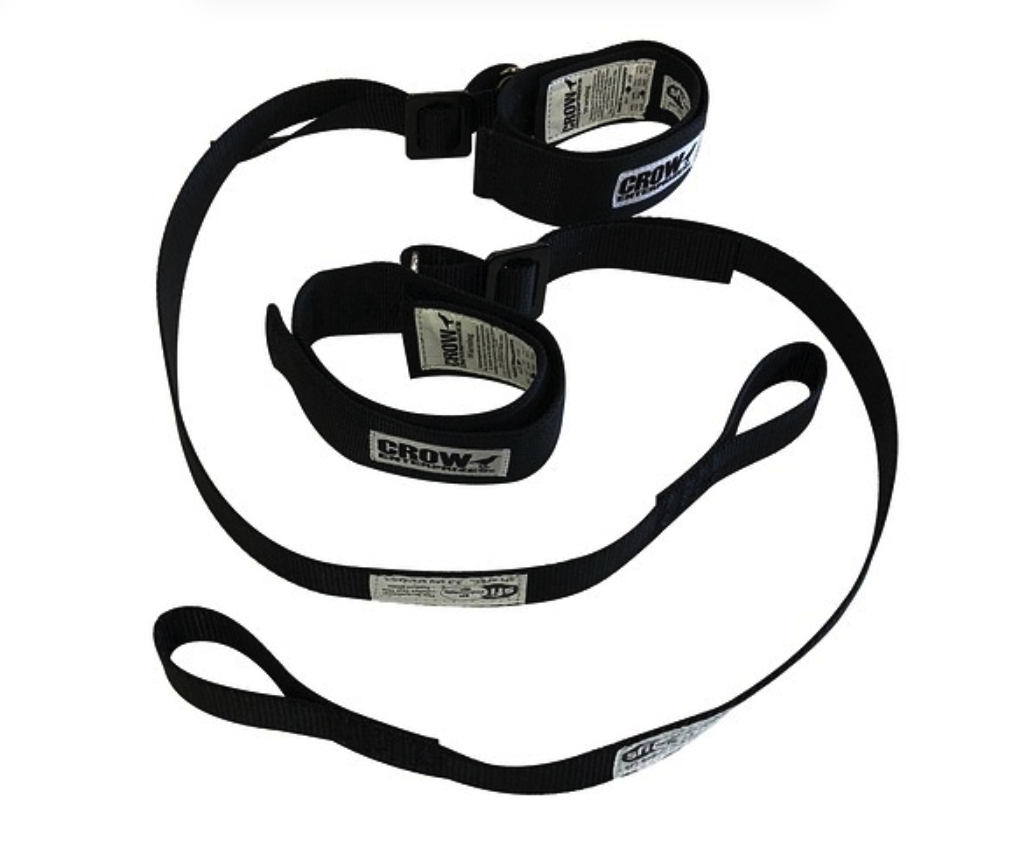
Y-Strap vs. Individual Straps: Y-straps offer highly restrictive safety best suited for off-road or dirt track racing. Individual dual-tether straps offer greater side-to-side movement for road, drag, and land speed racing where frequent controls or rapid steering wheel manipulation are required.