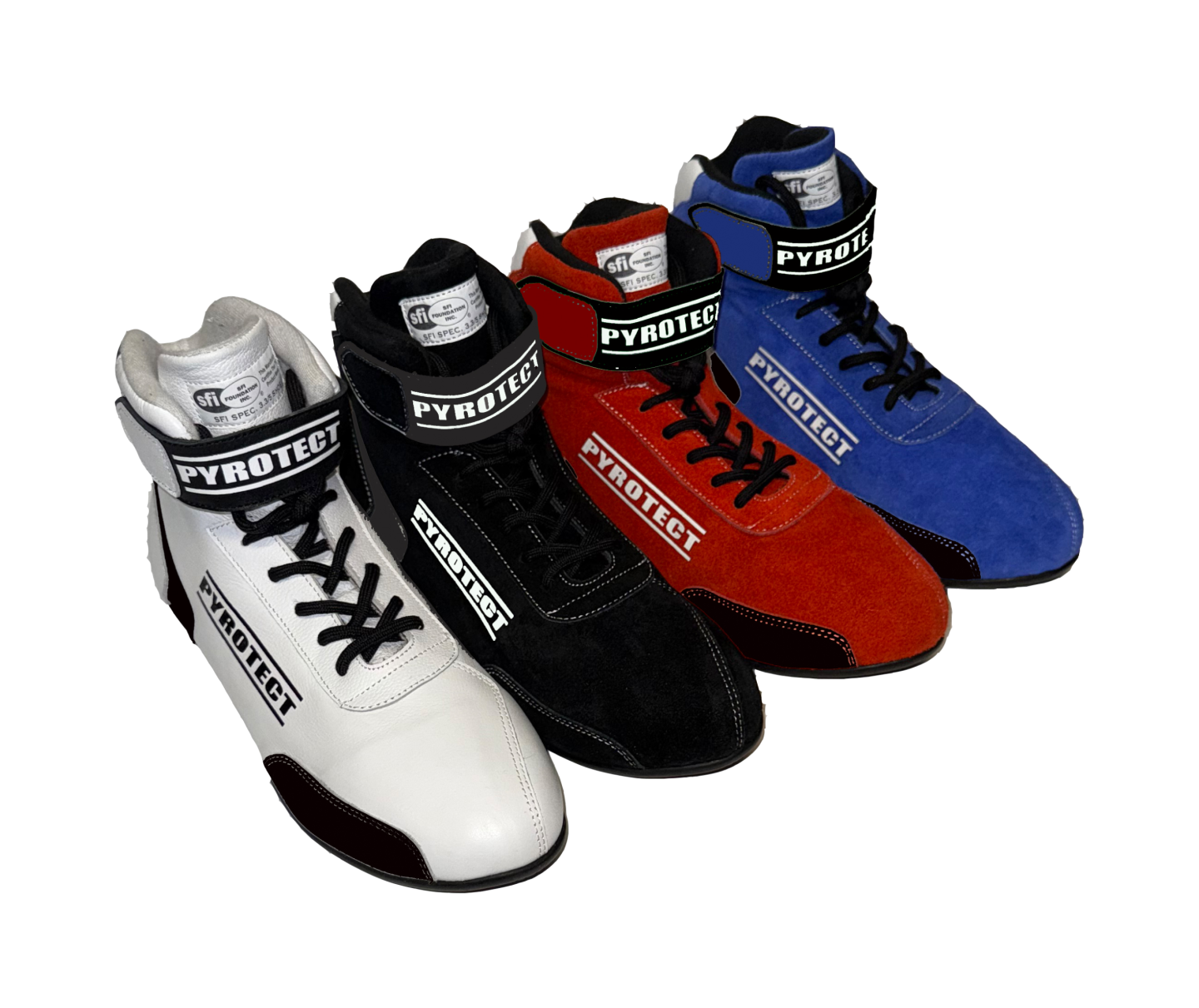
When you are behind the wheel of a race car, your feet are a primary connection to the vehicle’s control. While many drivers focus heavily on vehicle performance, SFI- and FIA-rated driving shoes are essential safety gear that protect your lower extremities from catastrophic injury while optimizing your track performance.
1. Thermal and Fire Protection

In a motorsport incident, cockpit fires often originate in the engine bay or footwell areas. Standard athletic shoes are made of synthetic materials (like nylon and rubber) that instantly melt and fuse to your skin when exposed to heat.

  • The Layered Defense: Certified racing shoes are constructed using flame-retardant materials like Nomex.
  • The Escape Window: According to motorsport safety guides like the certification labels from the SFI Foundation (SFI) or the Fédération Internationale de l’Automobile (FIA) guarantee that the footwear has been rigorously tested to slow heat transfer, giving you valuable seconds to safely exit a burning vehicle.  

2. Enhanced Pedal Tactility and Control

Standard sneakers feature thick, cushioned soles designed to absorb impact while walking. In a race car, this dampens feedback.

  • Thin, Stiff Soles: Safety-rated driving shoes utilize thin, oil-resistant rubber soles that provide maximum tactile feedback. This allows you to modulate the brakes and throttle with micro-precision.
  • Heel Roll: Most certified shoes feature a rounded heel, which allows your foot to pivot smoothly between pedals without catching on the floorboards or pedal faces. 

3. Streamlined Ergonomics

Cockpits and pedal boxes in race cars are incredibly tight.

  • Narrow Profiles: Broad, chunky footwear can easily result in your foot catching two pedals simultaneously—a potentially disastrous mistake approaching a heavy braking zone.
  • Snug Fit: Certified shoes are uniquely contoured to reduce bulk, ensuring clean, isolated pedal actuation. [1]

SFI vs. FIA Ratings: What to Look For

SFI vs. FIA Ratings: What to Look For

CertificationGoverning BodyPrimary Application
SFI Spec 3.3SFI Foundation (US-focused)Domestically sanctioned events (drag racing, circle track, off-road, club racing)
FIA 8856-2018Fédération Internationale de l’Automobile (Global)International sanctioned events, pro series, and elite sports car racing

Follow the link to our Driver Shoes section in our online store: https://mayedamotorsports.com/product-category/driver-shoes/
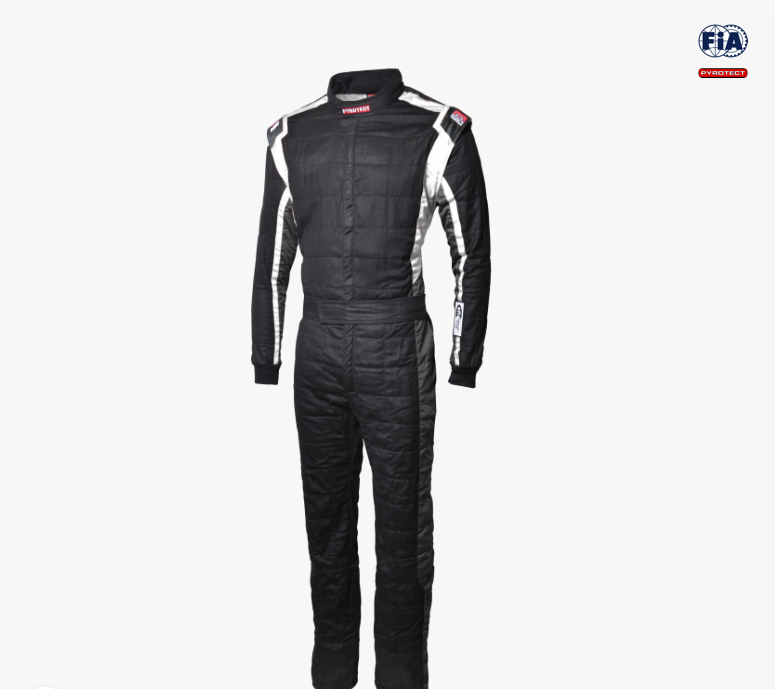
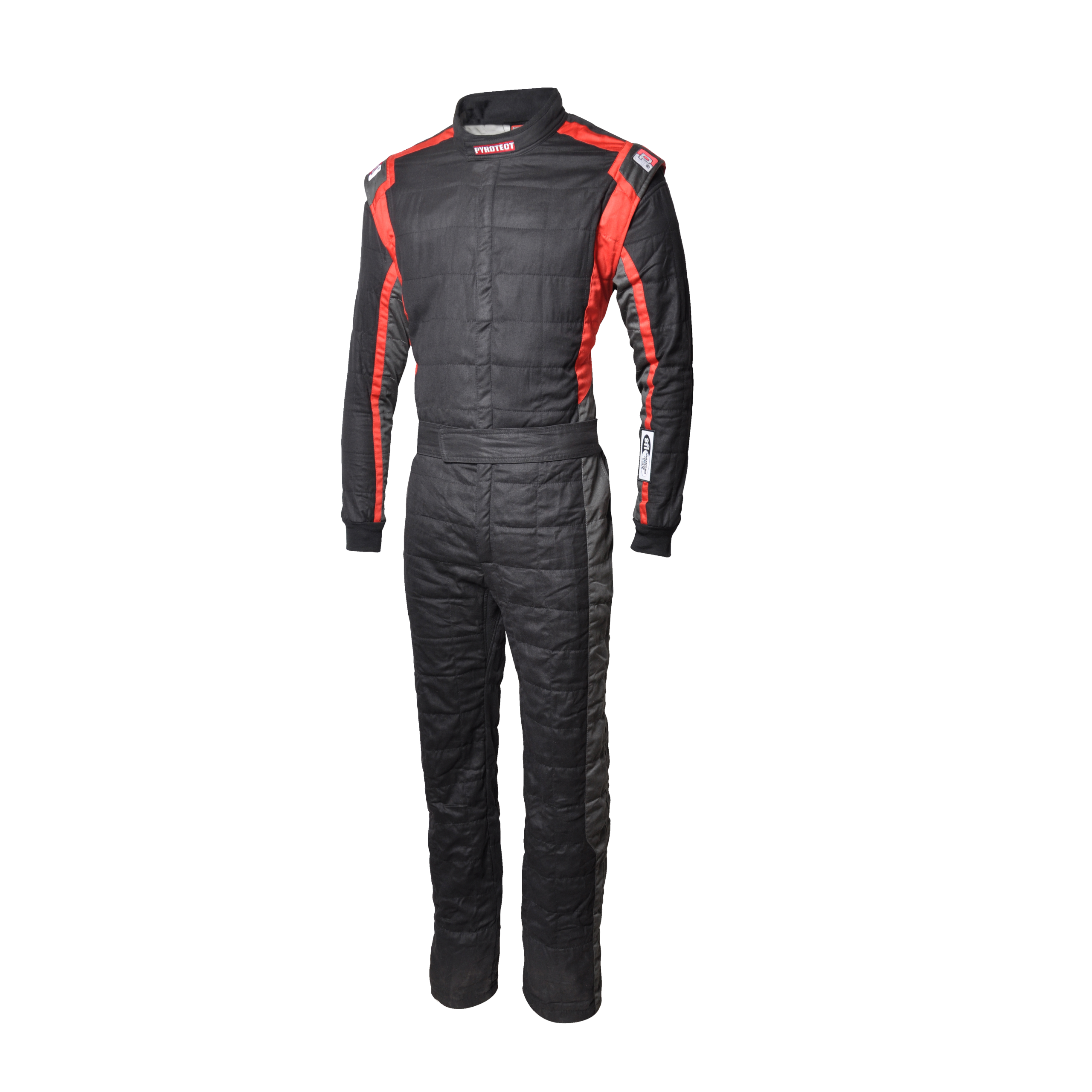
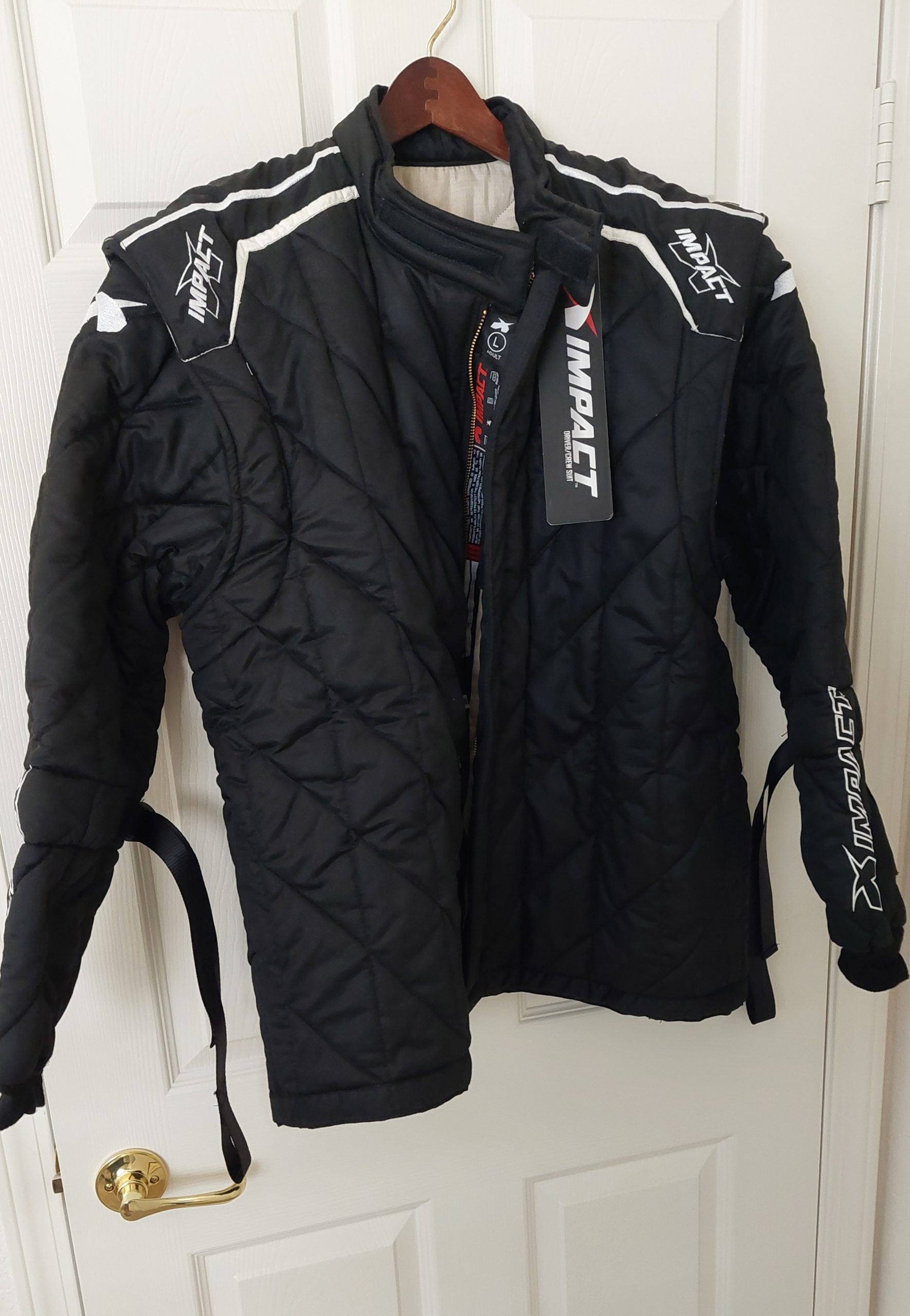
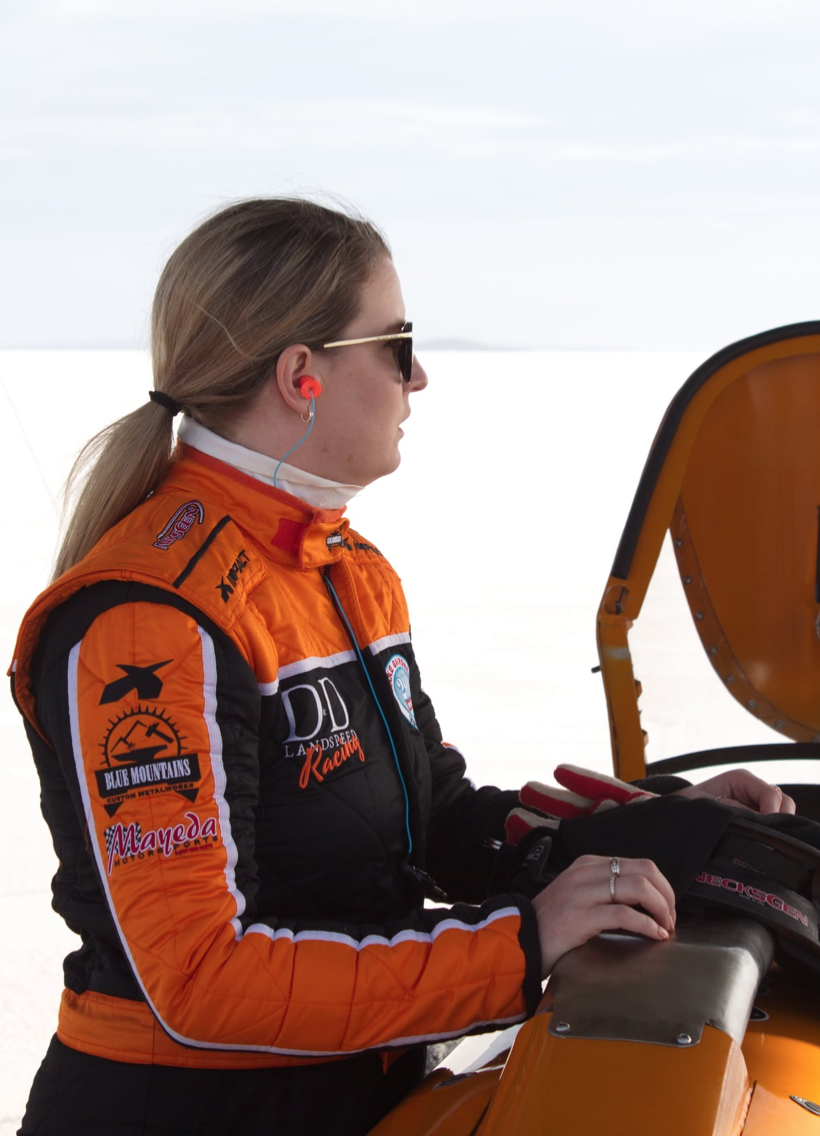
Your driver suit is your ultimate line of defense in a cockpit fire. But what do those SFI and FIA rating patches actually mean?

It comes down to layers, TPP (Thermal Protective Performance) scores, and time—specifically, how many seconds of protection you have before experiencing a second-degree burn. 

Here is a quick overview to help you choose the appropriate suit and rating:

SFI Ratings (The Drag & Domestic Standards)

SFI ratings are the benchmark for North American racing, built to handle intense fuel and alcohol fires.

  • SFI 3.2A/5: Features 2–3 layers, providing ~9.5 seconds of protection. Perfect for bracket racing, autocross, and grassroots circle track. Lightweight, mobile, and budget-friendly!
  • SFI 3.2A/15:  Heavy multi-layer tech designed for 30 seconds of escape time. A must-have for Top Sportsman, Pro Mod, and fuel classes.
  • SFI 3.2A/20:  Designed for the extreme racing, including Top Fuel and Funny Car, delivering 40 seconds of critical protection against intense thermal energy.

FIA 8856-2018 (The Global Road Racing Standard)

If your passion involves internationally recognized sports cars, open-wheel, or stage rally, you will want to look for the FIA hologram.

  • The Benefit: FIA-rated suits focus on fighting driver fatigue during long, grueling track sessions. They utilize cutting-edge, ultra-breathable, and lightweight fabrics that provide a minimum of 12 seconds of protection against both direct flame and radiant heat.

The Two-Piece vs. One-Piece Suit Dilemma

One-Piece Suits

  • The Pros: It offers a higher level of safety because there is less chance of the suit separating during an incident. Also, one-piece suits are mandated by many sanctioning bodies in the upper racing classes.
  • The Cons: Cost: unless you can get away with an off-the-shelf suit, a one-piece suit often requires a custom build and precise measurements and tailoring – about a 15-30% price premium. And they are not as forgiving when gaining or losing weight. They can be less convenient, especially during hot days. 

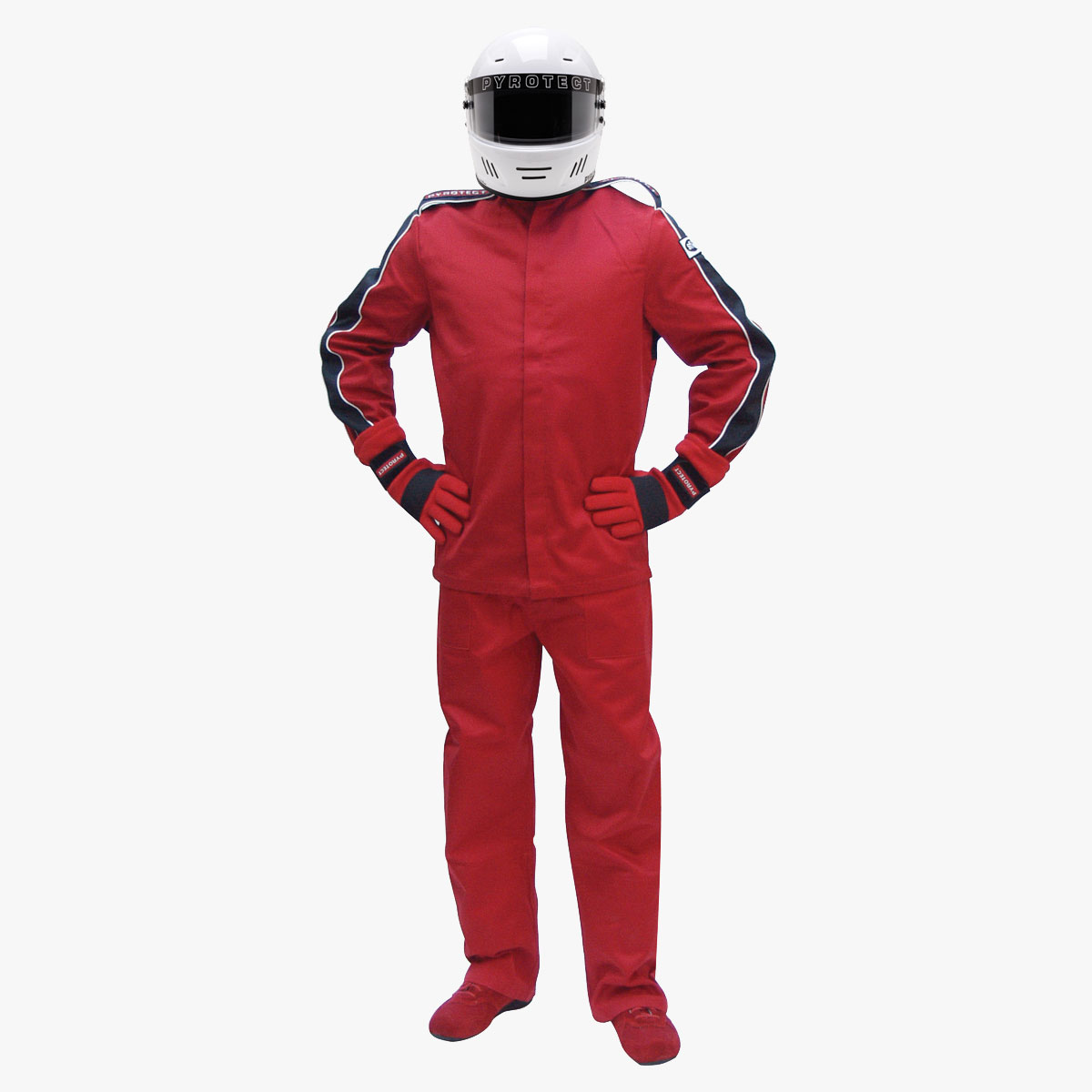
Two-piece suits consist of a separate jacket and pants that overlap at the waist.

  • The Pros: They offer unmatched convenience and fit flexibility. You can easily remove your jacket between rounds to work on the car or grab a drink. Cost: mix and match jacket and pant sizes are better for a custom fit without the custom price. Two-piece suits tend to be around 15-30% less in price.
  • The Cons: The overlap at the waist is a potential vulnerability. If you have to extract from a tight cockpit or end up upside down, the jacket can ride up and expose your midsection. As a result, many sanctioning bodies have mandated one-piece suits over two-piece suits in certain racing classes.

Pro Tip Before You Buy

Always check your specific sanctioning body’s rulebook first or contact us! Beyond the rules, buy the absolute best protection your budget allows.