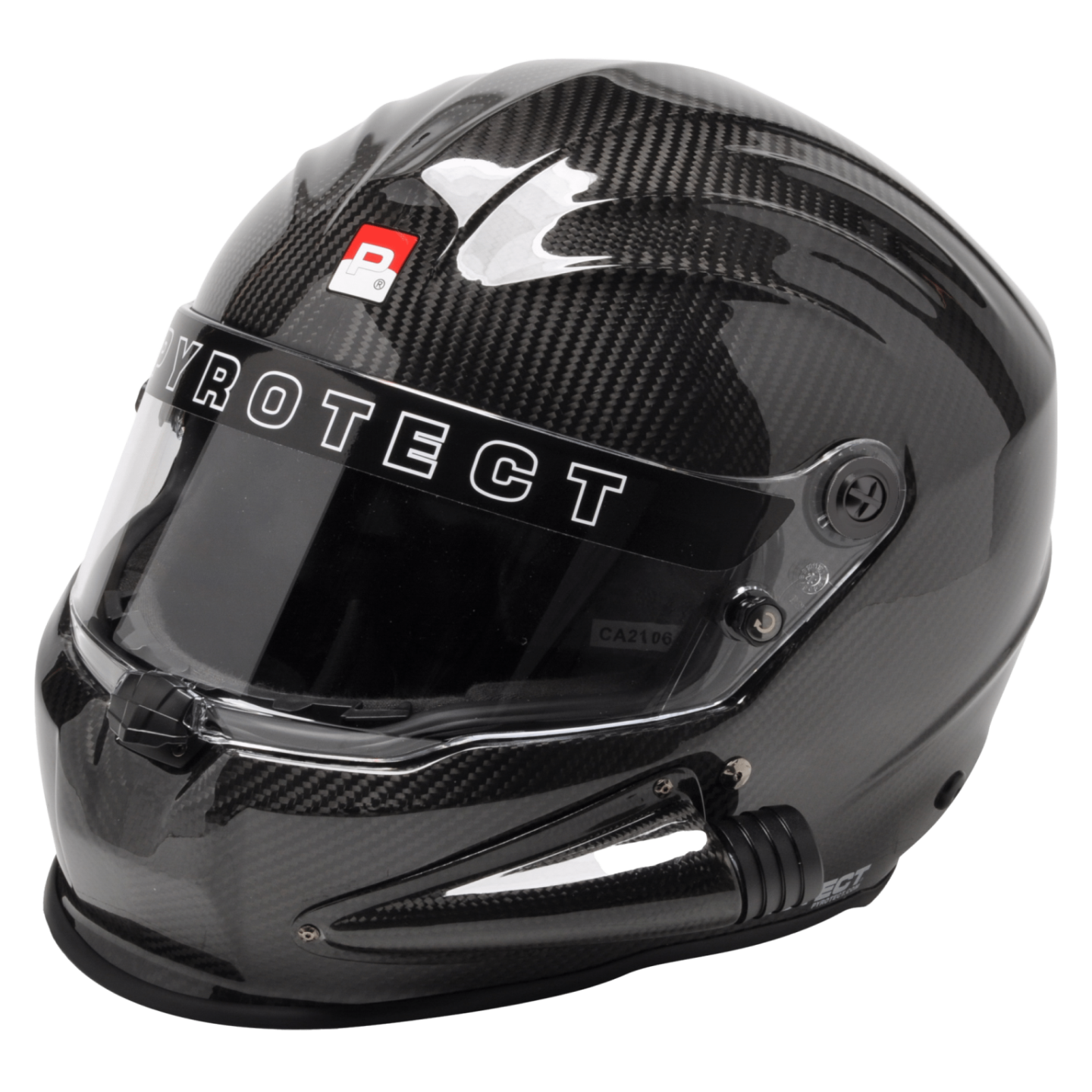
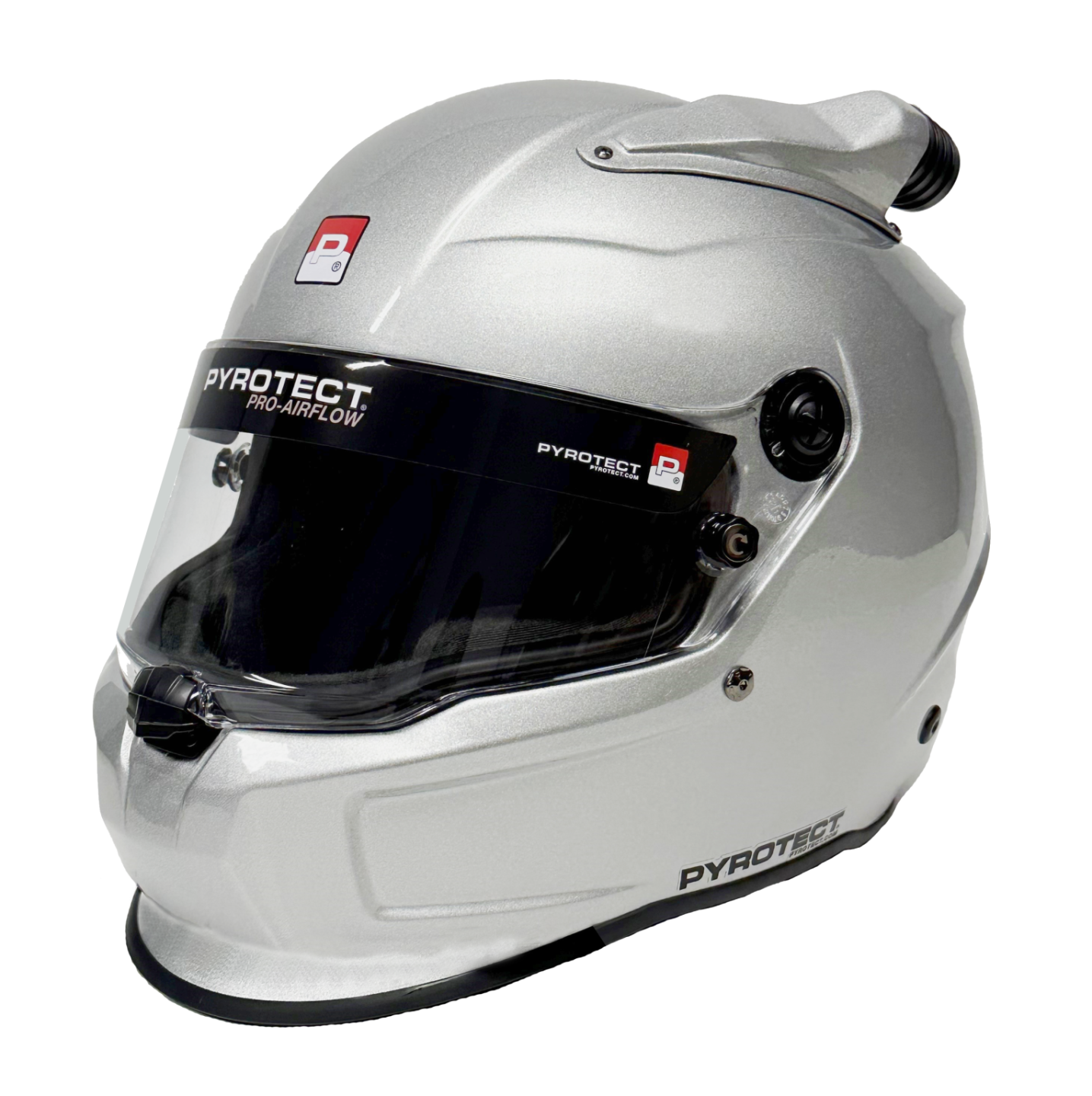
As we head into the last quarter of 2026, the question we receive most this time of year is: “Will my helmet be legal next year?”
At Mayeda Motorsports, we live and breathe speed, but safety always takes the top spot for us. The Snell Memorial Foundation released its Snell SA2025 certification standard last year, which means the clock has or is about to run out for older gear.
If you are wondering if it’s time to replace your current helmet, or you’re confused by the alphabet soup of SA vs. M helmet ratings, you are in the right place. Let’s break down exactly what changed, why it matters for your future racing plans, and how to stay legal in the eyes of tech inspection!
What’s Expiring: SA2015
SA2015 helmets are officially approaching their expiration date for many racing sanctioning and organizing bodies: January 1, 2027. If you check under your comfort liner and spot an orange SA2015 Snell sticker, your helmet will no longer be allowed for competition in drag and land speed racing in 2027. In fact, the SA2015 expired last year for most road racing, endurance sports car, open wheel, and sprint car series, with many more organizations adopting this 10-year helmet replacement interval. There are some racing bodies such as motorcycle, karting, and international elite racing that now adhere to a 5-year helmet replacement requirement.
The New Benchmark: SA2025
The Snell SA2025 standard represents a significant evolutionary step forward in driver protection. It doesn’t completely reinvent the wheel, but it radically tightens the criteria for how a helmet manages violent impacts against cockpits and roll cages.
The technical upgrades you need to know include:
- Lower Peak-G Limits: Under older standards, helmets could transfer up to 300G of peak acceleration to your head during an impact. SA2025 slashes that limit to 275G across all head sizes, meaning less brutal force reaches your brain.
- Stricter Multi-Impact Severity: The testing criteria now demand higher first-impact velocities. The helmet’s internal EPS liner has to work much harder to absorb severe, successive blows.
- Global Alignment: SA2025 standards are tightly aligned with international regulations, making many new helmets legal for both domestic grids and global competition.
Demystifying the SA vs. M Designation
We get asked this constantly at the shop: “Can I just use any helmet?”
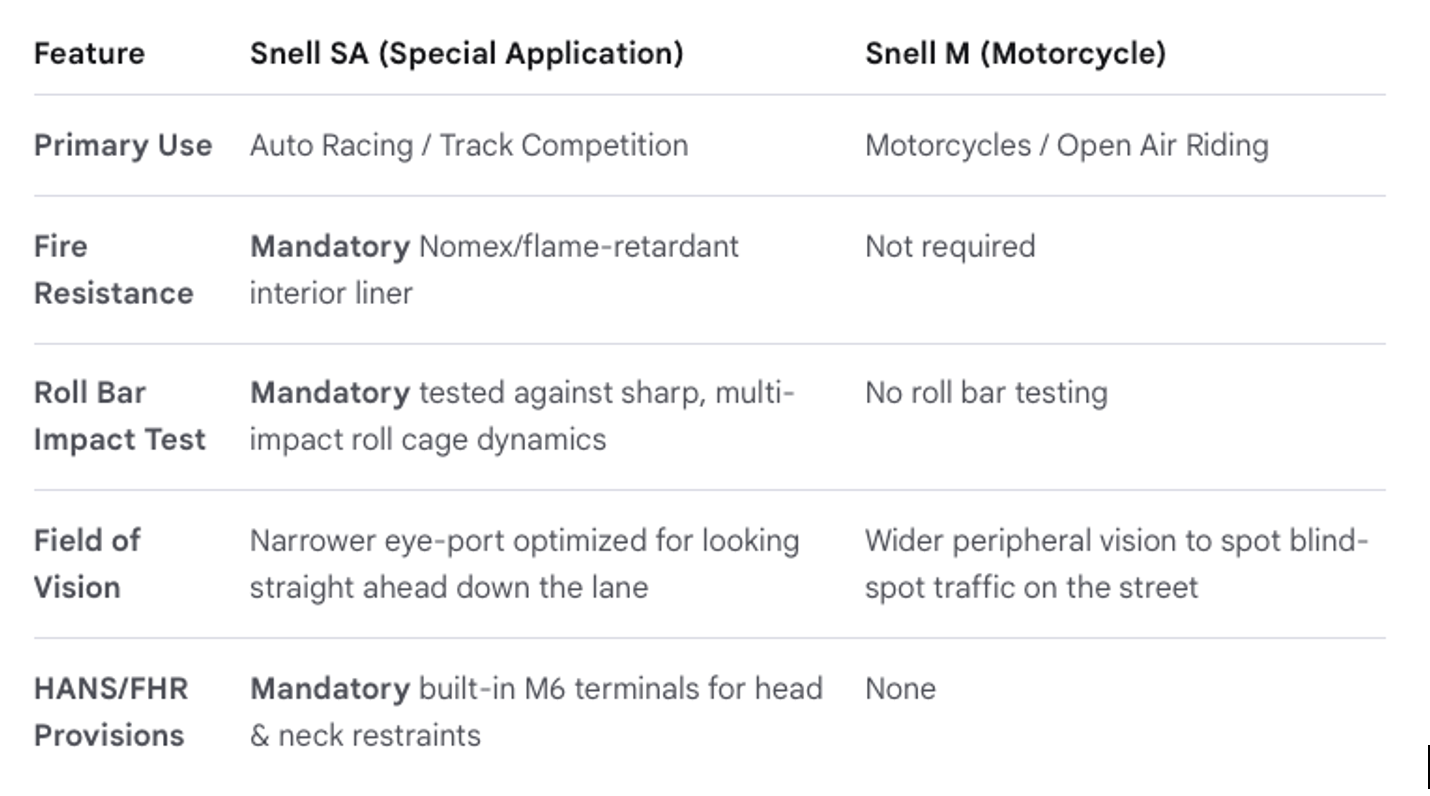
The short answer is not really. It depends heavily on your class and vehicle’s ET/speed bracket. Always check your rulebook. The letters stand for two completely different environments. SA stands for Special Application (designed for auto racing inside a car with a roll cage), while M stands for Motorcycle.
So, what’s the difference? If you experience a fire and are trapped inside a closed cockpit or a tight driver compartment. A fire-retardant SA helmet gives you precious seconds to execute an emergency exit. Furthermore, motorcycle helmets are engineered for a single major skip off the asphalt, whereas an SA helmet is specifically tested to withstand your head bouncing repeatedly against a roll cage.
The key design and testing differences include: